Local Tips
- Greetings go a long way – smile, say “Selam” (hello).
- Tap water – not safe to drink; always use bottled water.
- Taxis – use ride-hailing apps like Ride or Feres.
- Haggling – expected in markets, especially Mercato.
- Weather – days are warm, but early mornings and evenings can be chilly.
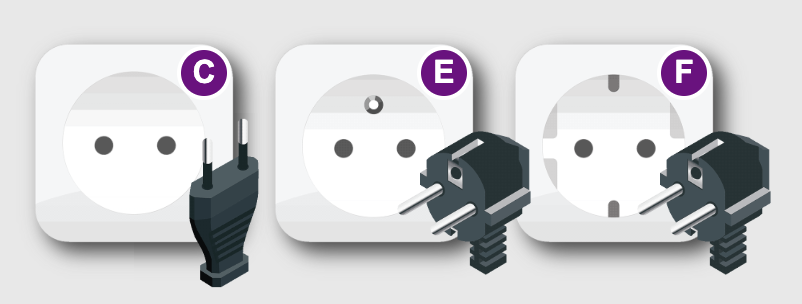
- Power outlets – Type C, E, and F; 220V.
- Always carry - Bottled water, tissue paper.
Language Basics (Amharic Phrases)
Amharic is the national language. English is widely spoken in hotels, but a few local phrases will win you smiles.
| English | Amharic (Transliteration) |
|---|---|
| Hello | Selam |
| Thank you | Amesegenallo |
| Yes / No | Awo / Aye |
| How much is it? | Sint new? |
| I don’t understand | Algebagnim |
| Where is...? | Yet new...? |
| Goodbye | Dehna hun |
| Coffee | Buna |
| Water | Wuha |
Tip: Many locals appreciate even basic attempts!
Currency & Money Exchange
Currency:
- Local currency: Ethiopian Birr (ETB)
- Common bills: 10, 50, 100, 200 birr
Where to Exchange:
- Use official banks like CBE or Dashen
- Avoid street money changers
ATMs & Cards:
- ATMs available, but not all accept foreign cards
- Cards accepted at big hotels and restaurants only
Traveler Tip: Carry cash for markets, taxis, and smaller shops
Internet & SIM Cards
Connectivity:
- Wi-Fi in hotels, cafés, and restaurants (can be slow)
- Best option: local SIM card with data
How to Get a SIM:
- Providers: Ethio Telecom or Safaricom Ethiopia
- Buy at Bole Airport or any service shop
- Bring your passport
Cost:
- SIM: around 30–50 birr
- Data: ~100 birr for 1 GB
Apps that work well: WhatsApp, Telegram, Google Maps (offline maps advised)
Health Info & Emergency Contacts
Health Tips:
- Drink bottled water only
- Avoid raw or uncooked street food
- Bring meds for altitude (Addis is ~2,355m high)
Vaccines & Precautions:
- Recommended: Yellow Fever, Hepatitis A & B
Emergency Numbers:
- Police: 991
- Ambulance: 907
- Fire: 939
- Traffic Police: 945
Hospitals & Clinics:
- Tikur Anbessa (Black Lion) Hospital: the main public hospital, near 4 Kilo
- St. Gabriel Hospital: well-regarded private hospital in Bole area
- Korean Hospital (MCM): private, Bole; popular with expats
- U.S. Embassy medical assistance list: curated list of vetted clinics and specialists
Traveler tip: Save your country's embassy number before you arrive. For serious medical emergencies, private hospitals like St. Gabriel or Korean Hospital typically have shorter wait times and English-speaking staff.
Frequently Asked Questions
Do I need a visa to visit Ethiopia?
Most nationalities can obtain an e-visa online before arrival or a visa on arrival at Addis Ababa Bole International Airport. Check the Ethiopian e-visa portal for eligibility.
What currency is used in Ethiopia?
The Ethiopian Birr (ETB) is the local currency. USD is widely accepted in hotels and tourist areas. ATMs are available in Addis Ababa but carry cash for markets and smaller establishments.
Is Addis Ababa safe for tourists?
Addis Ababa is generally safe for tourists. Normal city precautions apply: be aware of your surroundings in crowded areas like Merkato, and use ride-hailing apps like Ride or Feres.
What is the best time to visit Addis Ababa?
October to February is the best time: dry season with mild temperatures around 20°C. September hosts the Meskel festival. July and August are the main rainy season.
What plug type does Ethiopia use?
Ethiopia uses Type C, E, and F plugs (220V/50Hz). European two-pin adapters work. Travelers from North America need a voltage converter in addition to an adapter.
How do I get a SIM card in Addis Ababa?
Ethio Telecom is Ethiopia's main carrier. SIM cards can be purchased at Bole Airport or at Ethio Telecom offices in the city. Bring your passport. Safaricom Ethiopia also offers service, though more limited.